

Held under the main theme “Strengthening Water Resilience: From Innovation to Action,” the 5th Istanbul International Water Forum (IIWF) brought together water leaders in Istanbul on 5-6 May 2026, with approximately 2,800 participants from 72 countries.
The forum, which convened water experts, decision-makers, academics, and representatives from the public and private sectors from around the world, was organized in cooperation with the Ministry of Agriculture and Forestry and the Ministry of Foreign Affairs; and coordinated by the Turkish Water Institute (SUEN) and the General Directorate of State Hydraulic Works.
Approximately 20 international organizations participated in the forum. Participating organizations included United Nations Department of Economic and Social Affairs (UNDESA), UN-Water, World Bank, World Health Organization (WHO), World Meteorological Organization (WMO), the Food and Agriculture Organization (FAO), United Nations Environment Programme (UNEP), World Water Council (WWC), EU Health Emergency Preparedness and Response Authority (HERA), International Water Resources Association (IWRA), International Commission on Irrigation and Drainage (ICID), Organisation for Economic Co-operation and Development (OECD), Organisation of Islamic Cooperation (OIC), UN Development Coordination Office (UNDCO), UNOPS Blueing the Black Sea (BBSEA), International Fund for Agricultural Development (IFAD), Statistical, Economic and Social Research and Training Centre for Islamic Countries (SESRIC), Union for the Mediterranean (UfM), International Water Association (IWA), and the Mediterranean Water Institute (IME).
Throughout the forum, academics, public institutions, international organizations, non-governmental organizations, and private sector representatives exchanged knowledge and experience while also discussing new partnerships and policy recommendations.
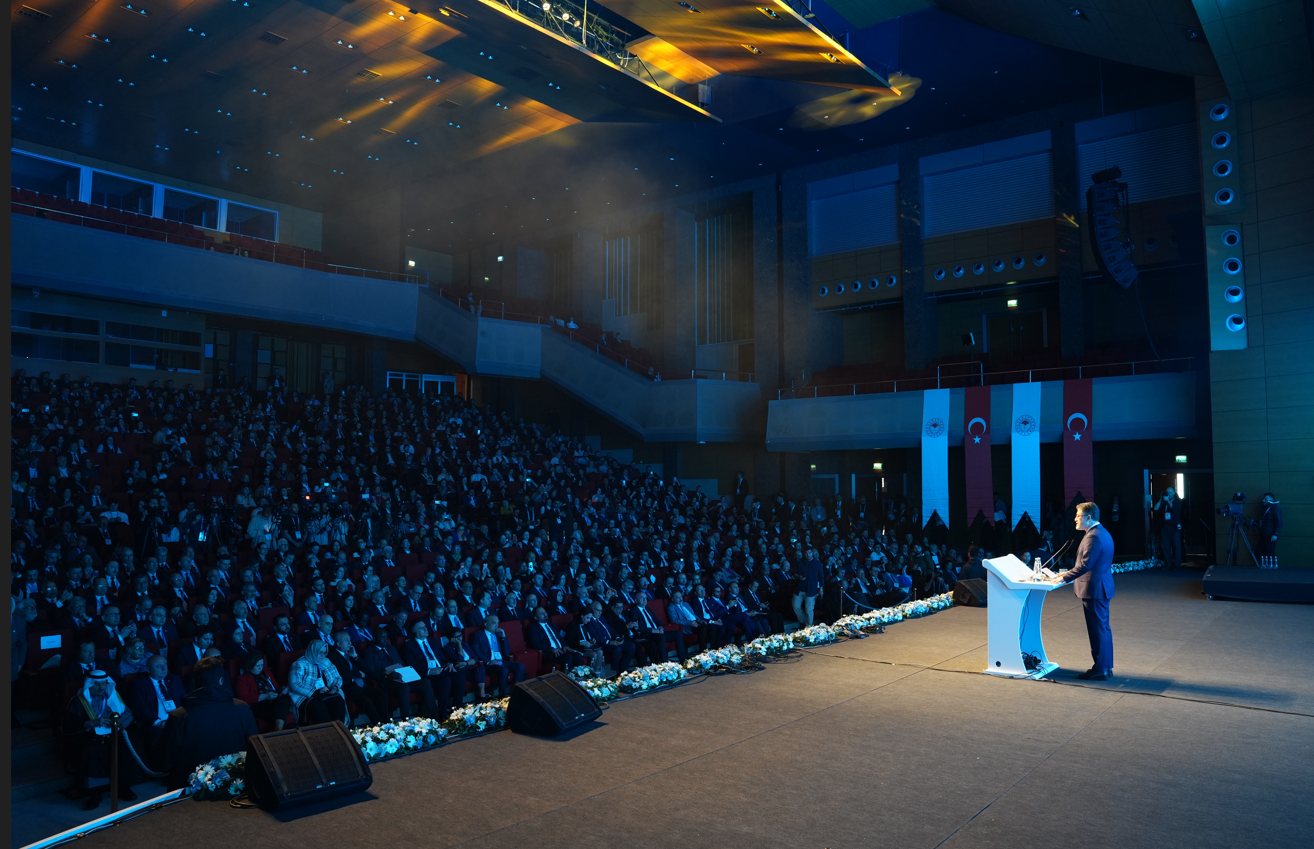
Minister Yumaklı: “It is time to move beyond declarations of good intentions”
In his opening remarks at the 5th IIWF, Minister of Agriculture and Forestry İbrahim Yumaklı stated that real success in water efficiency can only be achieved through transformation in agricultural production.
“We are implementing innovative practices such as crop planning centered on water resources, the widespread use of drought-resistant plant species, early warning systems, satellite-based monitoring mechanisms, and data-driven irrigation plans,” he stated. Emphasizing the need to reassess both the value attributed to water and the way it is managed, Yumaklı noted that resilient, flexible, and proactive structures must be established against crises.
Minister Yumaklı stressed that the time has come to move beyond theoretical discussions and declarations of good intentions, stating: “From artificial intelligence to remote sensing, and from digital technologies to new financing models, we must transform all innovative tools at our disposal into practical and implementable policies on the ground.”
Yumaklı also stated that the forum aims to serve as a high-level platform for sharing experiences, best practices, and innovative approaches to enhance water resilience and efficiency.
“The messages emerging from Istanbul will make significant contributions to major global events such as the 2026 United Nations Water Conference, the United Nations Climate Change Conference (COP31) to be held in Antalya this November, the 2027 World Water Forum, and the 20th IWRA World Water Congress, which will be hosted by our country in 2027,” he added.
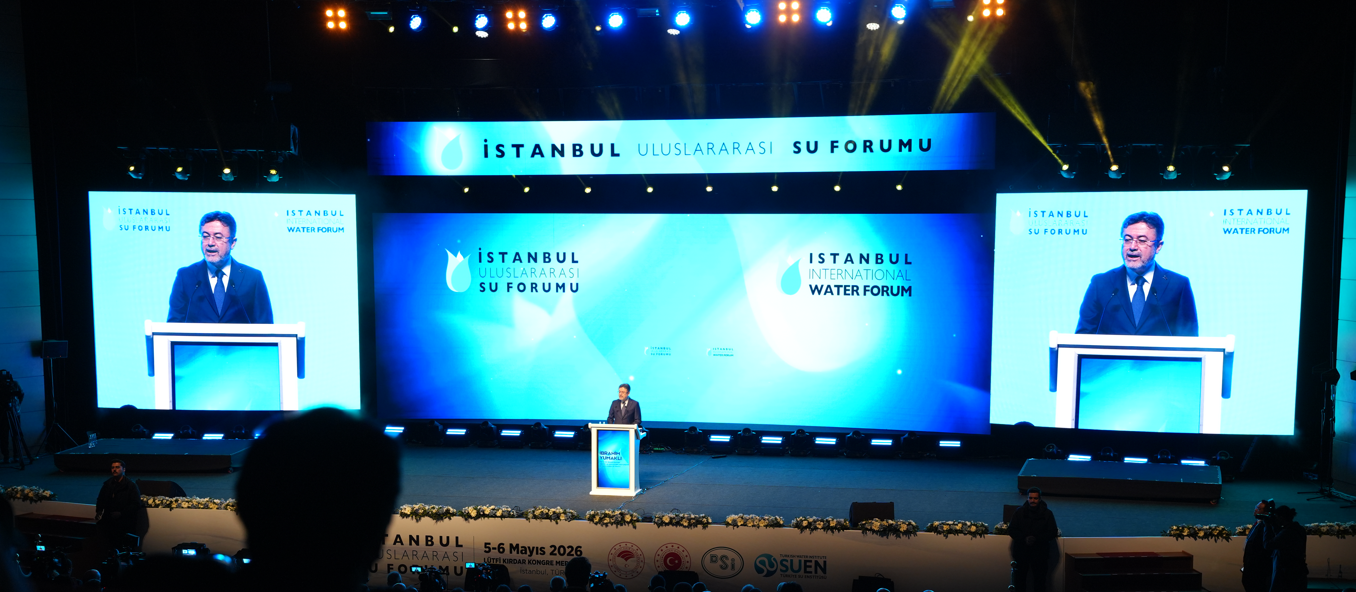
Yumaklı emphasized that, as a country under water stress, Türkiye places great importance on the efficient, rational, and sustainable use of water, and stated:
“With this awareness, under the auspices of First Lady Emine Erdoğan, we launched the Water Efficiency Mobilization Campaign. Guided by the principle of zero water loss, this initiative - implemented across urban, industrial, and agricultural water use - is not merely a campaign, but a transformation in mindset. This transformation encompasses a broad spectrum, from public institutions and the private sector to schools and local administrations. Our aim is to foster a societal awareness that values every single drop of water. We know that real success in water efficiency can only be achieved through transformation in agricultural production.”
Pointing out that digital transformation is essential for the effective, transparent, and sustainable management of water, Yumaklı stated that digital technologies now make it possible to monitor the entire water cycle.
He also highlighted that satellite data and artificial intelligence-supported decision systems in agriculture are increasing irrigation efficiency, adding: “In order to expand this transformation, results-oriented financing models, strong public-private partnerships, the establishment of data standards, and the enhancement of technical capacity are of critical importance. This process can succeed not only through technology, but also through institutional capacity, proper financing, and strong cooperation. In this context, through the sessions held during the forum, we aim to comprehensively address all dimensions of digital transformation in water management and develop practical policy and solution recommendations.”
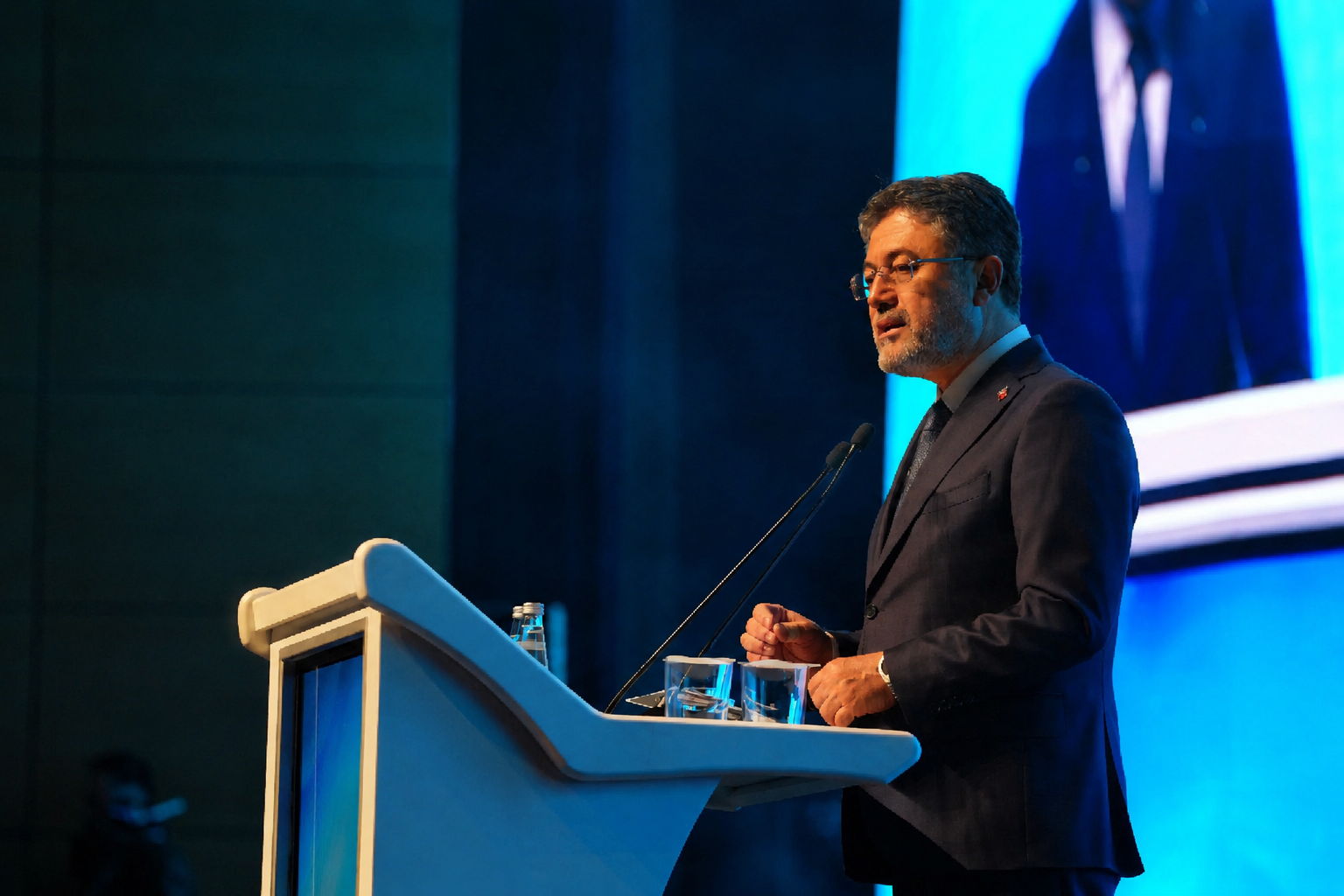
“As Türkiye, we believe that water unites”
Emphasizing Türkiye’s commitment to promoting stability, economic development, and prosperity in its surrounding region, Yumaklı continued:
“In this regard, we shape our policies in line with the principle articulated by our President Recep Tayyip Erdoğan: ‘A fairer world is possible.’ Based on the principles of equitable, reasonable, and effective use of water, we continue to maintain dialogue and cooperation with our neighboring countries. In our transboundary river basins, we carry out knowledge, experience, and technology transfer and develop joint technical projects on the basis of mutual benefit for the protection and sustainable use of water resources. In order to contribute to the achievement of the 2030 Sustainable Development Goals, we provide financial and technical support in the water sector to many countries in Africa and other regions of the world.”
Speaking at the opening ceremony, World Water Council President Loïc Fauchon stated that Türkiye stands out particularly for its large dam projects and its water supply project to the Turkish Republic of Northern Cyprus (TRNC). “The water supply provided through an 80-kilometer pipeline is a globally impactful project,” Fauchon said.
UN Special Envoy on Water Retno Marsudi also stressed that societies and countries must work together to strengthen water resilience and highlighted the importance of water investments and financing. Marsudi noted that there is a global financing need of approximately USD 140 billion in this field.
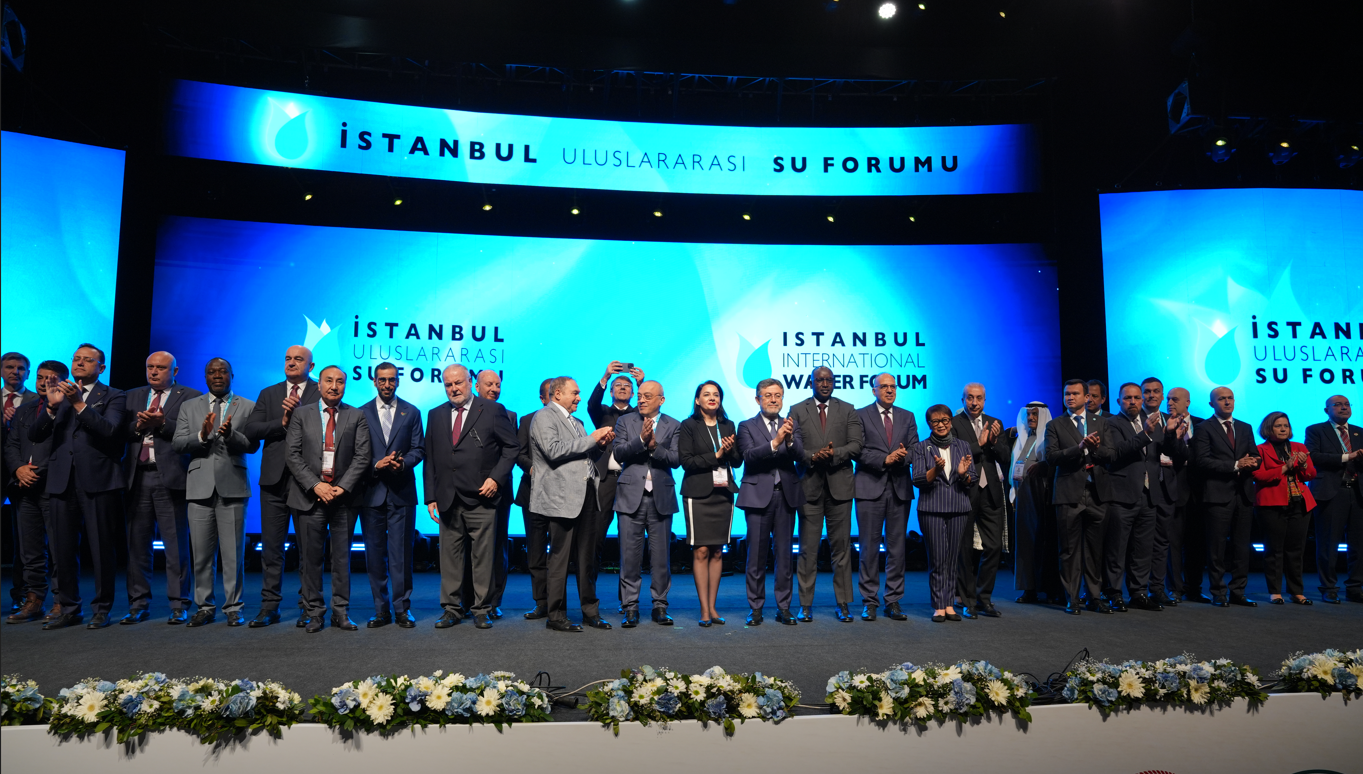
Following the opening speeches, Minister Yumaklı, guest ministers and members of the protocol delegation posed for a family photo.
Throughout the two-day forum, four high-level panels, twelve special sessions, and six side events were held under the following sub-themes:
• Water Dialogue for Resilience
• Finance Mobilization and Innovation for Climate-Resilient Water Management
• One Water-One Health: Integrated Management of Risks
• Beyond Trade-offs: Advancing the Water-Energy-Food-Ecosystem (WEFE) Nexus
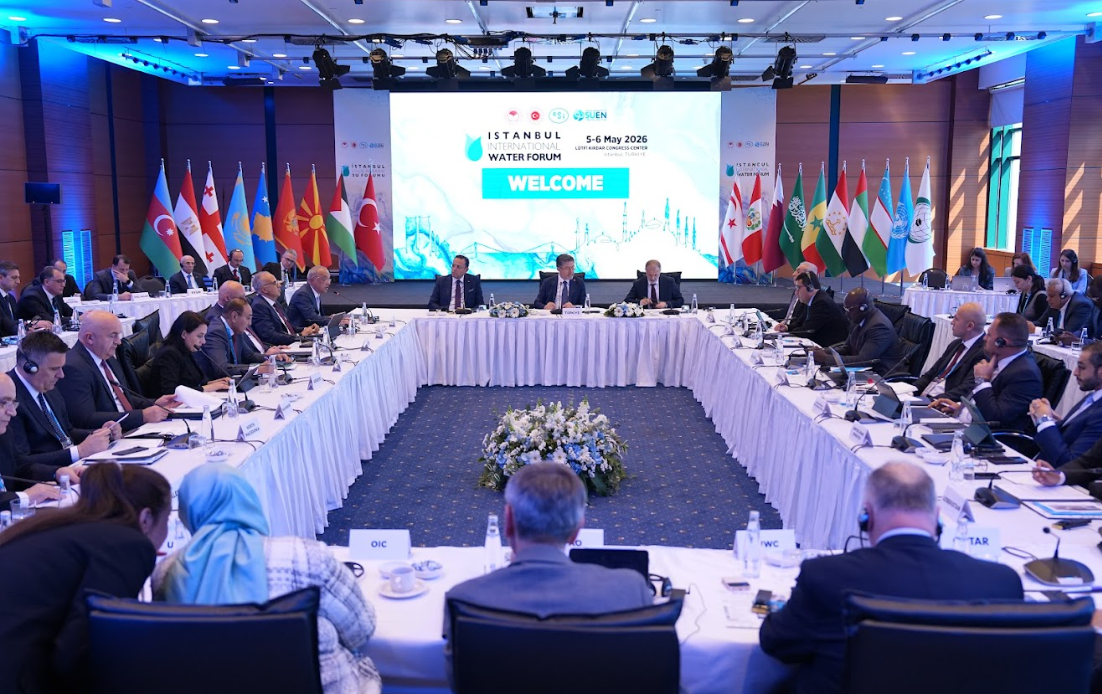
In addition, a Ministerial Session was held on 5 May with the participation of ministers and deputy ministers from 15 countries, as well as senior representatives of international organizations, where regional and global water issues were discussed at the highest level.
The outcomes and key messages of the panels held as part of the forum will be shared in the coming days.
Click here to access the 5th IIWF Overview.


