

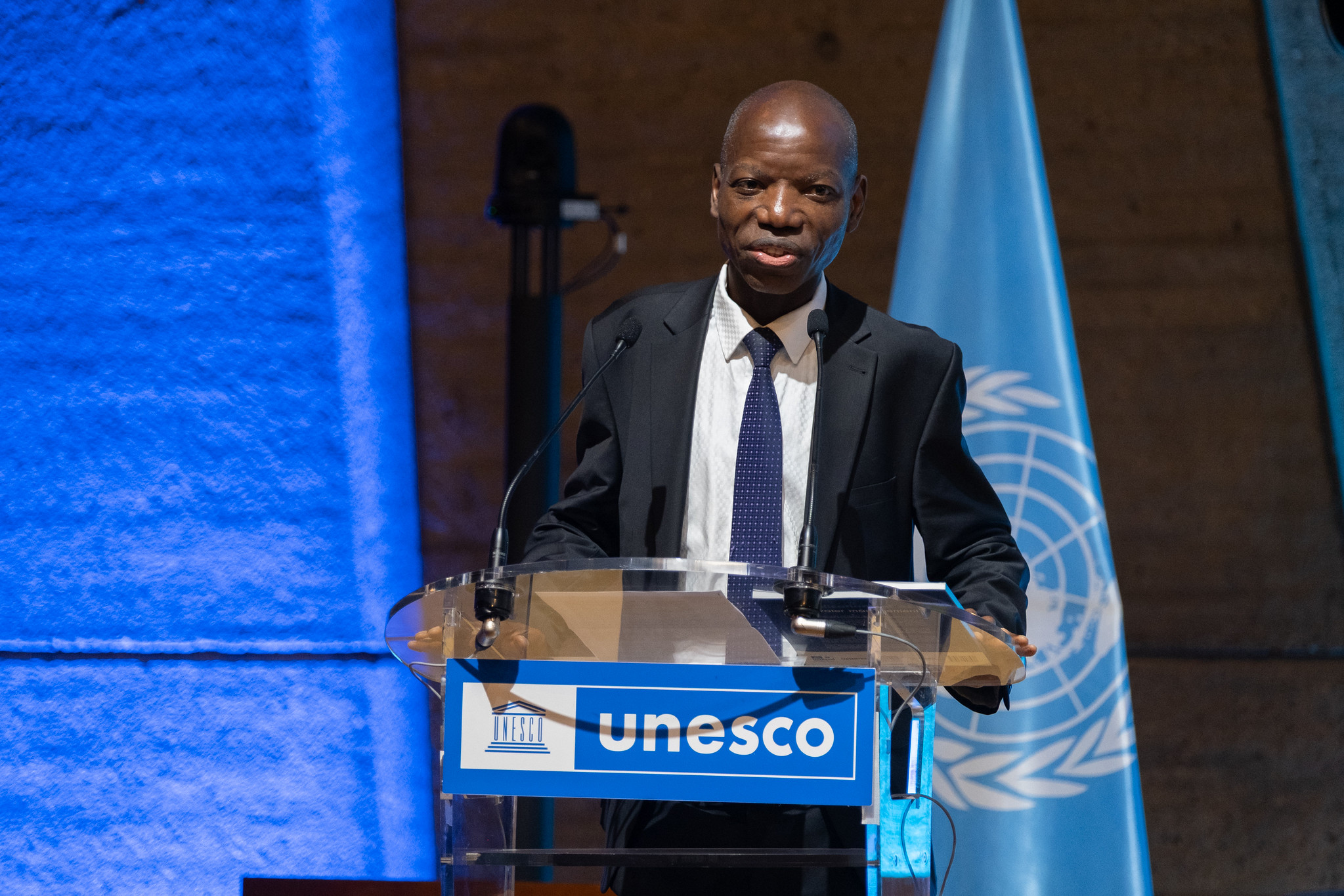
The world is facing increasingly complex water challenges driven by climate change and increasing water demand. What role does UNESCO's Intergovernmental Hydrological Programme (IHP) play in strengthening international cooperation and supporting countries in developing science-based and sustainable water policies?
The UNESCO Intergovernmental Hydrological Programme (IHP) has a unique role because it is the only intergovernmental programme in the UN system dedicated to water science, education, training and capacity building for sustainable water management. From contributing in securing clean drinking water, preventing floods, preserving glaciers, improving water quality, to bringing together top scientists and policymakers to turn knowledge into action to better understand, protect, and manage this vital resource.
Our role is also to bring countries, scientists, practitioners and policymakers together to generate knowledge and translate that knowledge into action and enhance capacities for sustainable water management. We are able to do so thanks to our unique network of specialized water centres, university chairs, and National Committees, our Water Family.
Ultimately, our objective is not simply to produce more science. It is to ensure that the best available science, together with local and indigenous knowledge, reaches those making decisions about water as well as citizens in all countries. For example, with partners, we develop a methodology called CRIDA (Climate Risk Informed Decision Analysis), which provides a participatory and bottom-to-up and a step-by-step approach to integrate climate change and related uncertainty into water resources planning and to develop adaptation pathways robust under different possible futures.
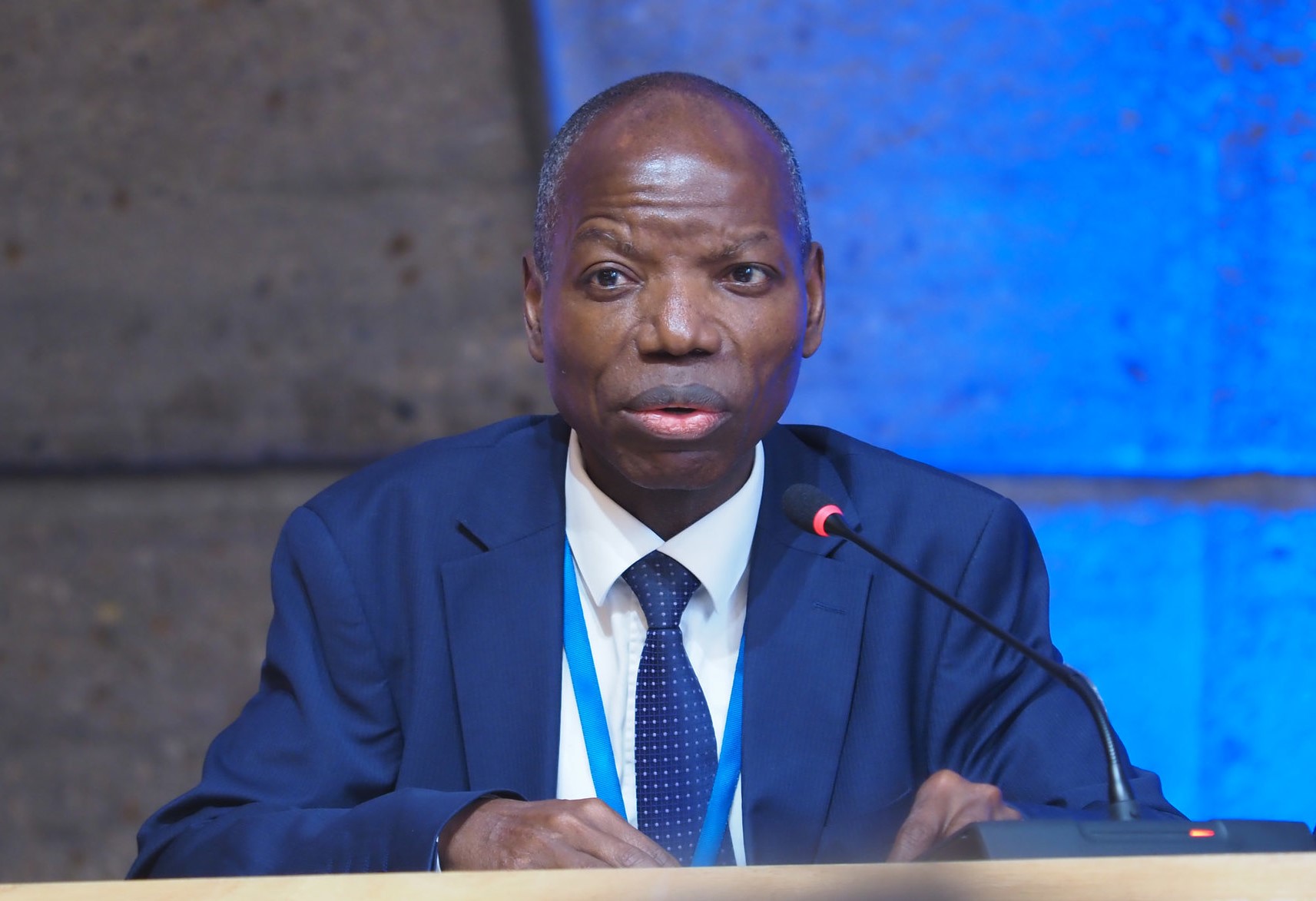
Bridging scientific knowledge with policy and practice is becoming more important than ever. How can governments, research institutions and water organizations work together more effectively to ensure that scientific evidence translates into better water management and decision-making?
We need stronger and more permanent interfaces between researchers, government institutions, water managers and communities. This means co-producing knowledge, improving access to reliable data, and developing tools that respond to real management needs. This is what the Intergovernmental Hydrological Programme does: IHP acts at the science-policy nexus, bringing together scientists, governments, practitioners and other stakeholders to develop evidence-based approaches to water governance and management. We work to strengthen cooperation between research institutions, governments, water managers. We create interfaces where scientific knowledge can be translated into practical tools, policies and solutions. Shared and reliable information can improve planning, strengthen early warning systems and help build trust between countries. IHP’s Water Information Network System (IHP-WINS) provides a platform for sharing knowledge and strengthening scientific cooperation.
Capacity development remains a cornerstone of achieving water security and Sustainable Development Goal 6. In your view, what are the most pressing capacity gaps facing the global water sector today, and how can institutions such as the Turkish Water Institute (SUEN) contribute to building the next generation of water professionals and decision-makers?
Capacity development is key to achieving SDG 6 and to sustain all progress made towards water targets. Developing capacities of individuals, developing capacities of institutions and setting up the right enabling environment should not be solely seen as a preparatory activity or an add-on to infrastructure projects: it should be central to all investments, as it reduces risks and allows them to deliver greater and more lasting impacts on the ground. More than ever, deepening capacities of institutions to develop a strong water governance and the underlying cross-sectoral cooperation needed at every level of government and across administrative boundaries, is an important key to success.
On a more forward-looking note, investing in capacity development and water education is investing in our youth as they become the water leaders of tomorrow. It is not only an investment for water security, but for the century ahead of us.
I would like to mention two current initiatives worth looking at: the UN-Water SDG 6 Capacity Development Initiative, co-coordinated by UNESCO and UN DESA, currently supporting 9 countries on capacity gaps analysis and drafting national capacity development plans; and IHP flagship initiative “Youth4Water” adopted earlier this year to strengthen youth participation in water governance, support their training and access to career opportunities.
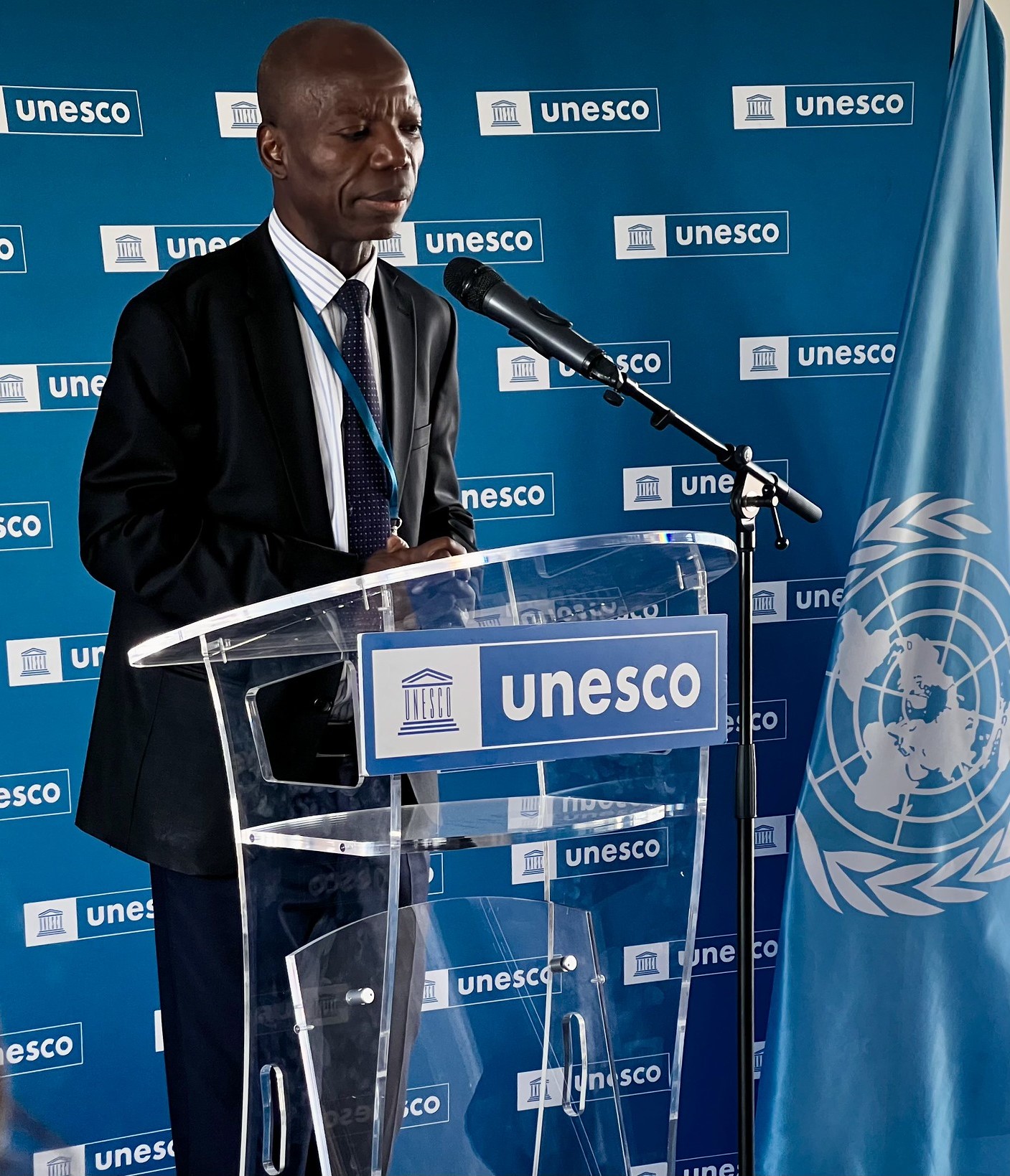
Rapid advances in digital technologies, artificial intelligence and remote sensing are transforming the water sector. How do you envision these technologies shaping the future of water resources management, and what steps are needed to ensure their effective use and uptake in different countries?
The current ninth phase of IHP is called "Science for a Water Secure World in a Changing Environment". As its name says, we are mandated by Member States to advance scientific research and innovation, bridge the data-knowledge gap, and strengthen science-based governance to face and prepare a resilient future. By making scientific knowledge more transparent, accessible, and collaborative, society and science can benefit from it. IHP-IX embraces this fully by recognizing open access, open data and open participation as tools to accelerate progress on water-related SDGs and to build capacity across regions. This experience convinces me that digital technologies and open science, when guided by shared standards and principles, have to serve as connections for cooperation, enabling governments, researchers, and communities to gather knowledge collectively rather than in isolation.
As water rises on the global political agenda, what are your priorities for the coming years within UNESCO's Intergovernmental Hydrological Programme? What message would you like to share with the international water community on accelerating collective action towards a more water-secure and resilient future?
The UNESCO's Intergovernmental Hydrological Programme vision is a water-secure world in which people and institutions have the capacity and scientifically based knowledge needed to make informed decisions on water management and governance. We need to accelerate action on the challenges that are affecting water security. But we also need to recognize that water insecurity is not only a physical problem, it is also a question of governance, capacity, data and cooperation. That is why my message to the international water community is one of urgency, but also optimism: the challenges as we see are growing, but so are our scientific capabilities and our network and the opportunities for cooperation. If we continue our cooperation we will be able to move faster from knowledge to action and invest in the people and institutions that will manage water in the future.